
type





- 1
Standard Roller Blinds vs. Guided Roller Blinds
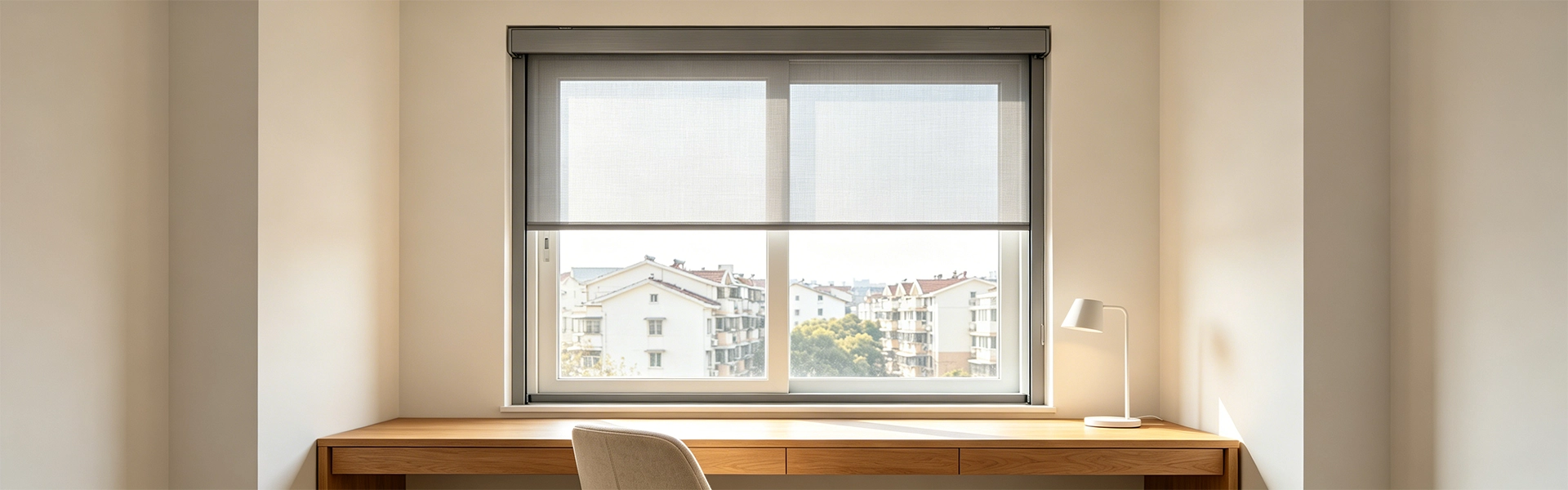
Both systems provide indoor shading and privacy, but they control the fabric in different ways. The right choice depends on the window size, airflow conditions, light-control requirements and expected interior finish.
Standard Roller Blinds
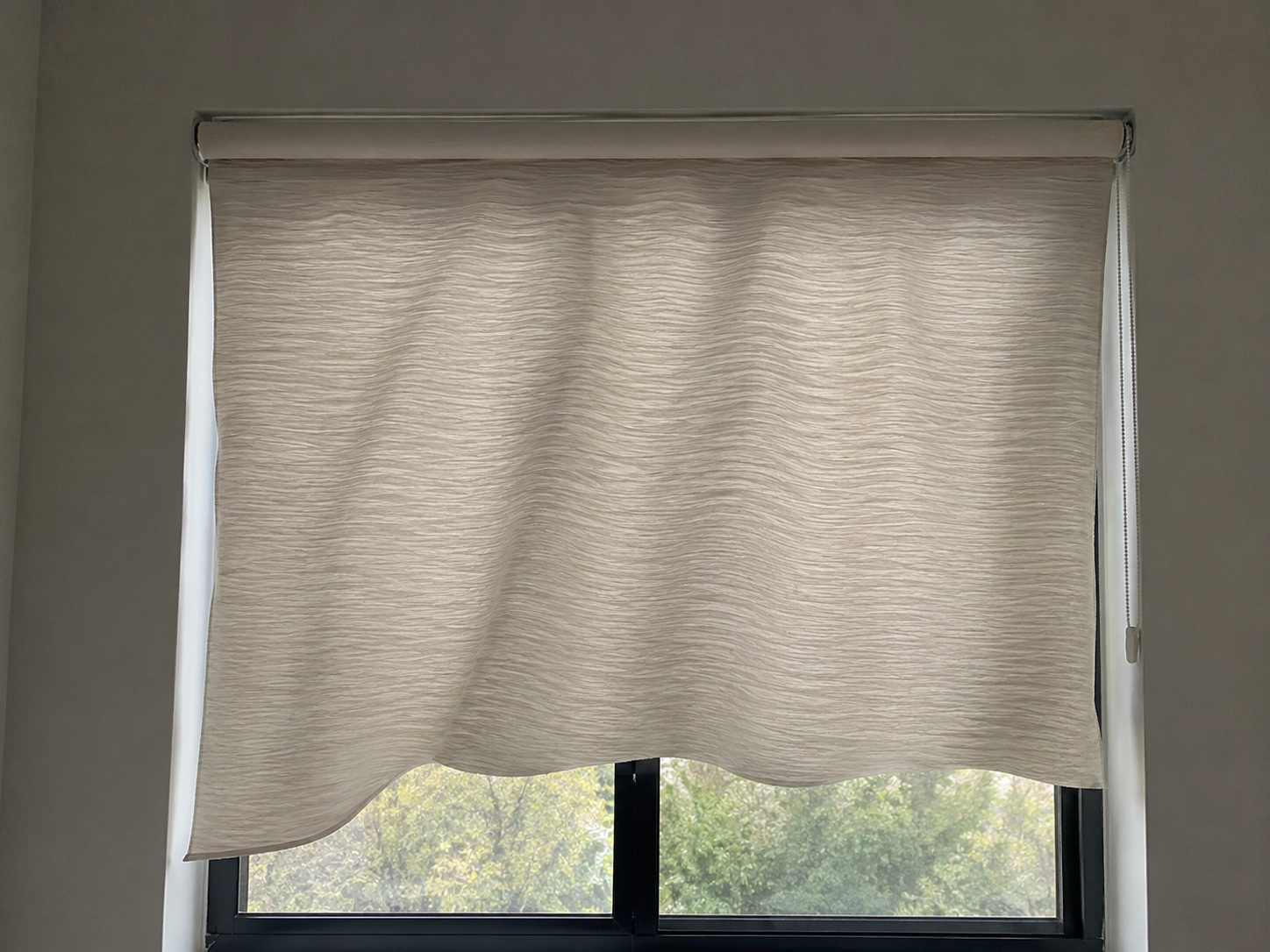
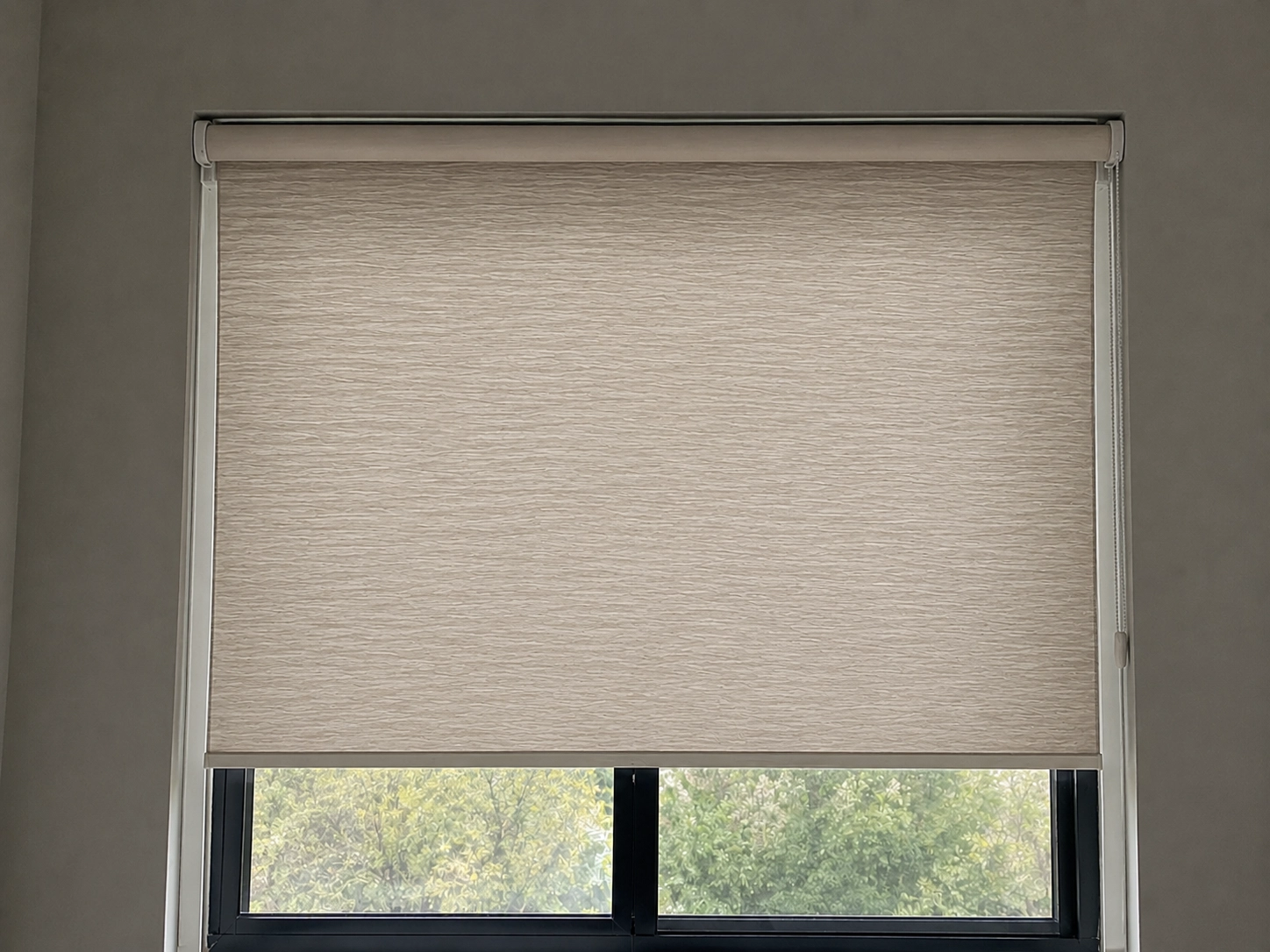
Free-Hanging Fabric
The fabric is supported only by the roller tube and bottom rail, without side guidance.
More Fabric Movement
Air conditioning, open doors or indoor pressure changes may cause the fabric to sway, ripple or contact the window frame.
Visible Side Light Gaps
Clearance is required between the fabric and the brackets, leaving noticeable gaps along both sides.
Guided Roller Blinds
Side-Guided Fabric
The fabric edges remain connected to the side-track system while the blind moves up and down.
Improved Stability
The guidance system helps reduce movement caused by air conditioning, ventilation and pressure changes.
Reduced Side Light Gaps
Side tracks cover or control the fabric edges, helping reduce lateral light leakage and improve room-darkening performance.
How Do Indoor Guided Roller Blinds Solve Common Fabric Problems?
Standard free-hanging roller blinds may experience fabric movement, uneven operation, side light gaps and accelerated edge wear. NewHoo indoor guided roller blinds address these problems through four coordinated guidance technologies that improve fabric stability, alignment and long-term operation.
ZIP or T-Band Tracks Control Fabric Movement
Standard roller blind fabric hangs freely and may sway under air-conditioning airflow, ventilation or pressure changes.
ZIP side tracks continuously retain the fabric edges, while T-band guide tracks keep the fabric moving along a fixed vertical path. Both structures reduce uncontrolled sideways movement and prevent the fabric from swinging freely in front of the window.