Indoor Guided Roller Blinds for Windows and Enclosed Balconies
For indoor use, “windproof” does not mean installing a heavy outdoor blind inside the room. It means using a guided fabric system to control fabric sway, reduce flapping, minimize edge light leaks, and improve daily operation.
These systems are suitable for windows, offices, hotels, apartments, homes, media rooms, and enclosed balconies. They are useful when standard roller blinds cannot provide enough fabric stability, blackout performance, or edge light control.
For many indoor windows, standard roller blinds are enough. But in some spaces, loose fabric may sway, flap, roll unevenly, or move away from the window surface. This often happens on tall windows, narrow windows, frequently opened windows, hotel rooms, office glass areas, and enclosed balconies.
The main issue is not outdoor wind. It is the indoor airflow and space conditions. HVAC airflow, thermal drafts, opened windows, and heat buildup behind glass can all cause fabric sway or flapping. When the fabric is not guided, these small air movements may affect comfort, appearance, and daily operation.
Indoor guided roller blinds solve these issues with a compact side-channel structure. The fabric edges move inside slim side channels or zip channels, helping the blind stay flatter and better aligned. Compared with outdoor systems, indoor systems focus on compact design, quiet operation, stronger light gap control, and a clean interior finish.
Why Indoor Windows Need Guided Fabric Control
Indoor shading is not only about blocking sunlight. In real projects, users often need privacy, glare control, thermal comfort, blackout performance, and a finished architectural look.
A standard roller blind may leave visible side gaps. These gaps can create light halos around the window. In bedrooms, hotel rooms, and media rooms, edge light leaks can reduce sleep comfort and weaken the blackout effect. In offices, side glare can affect screen visibility. In apartments, narrow windows may look unfinished if the blind does not sit neatly inside the opening.
Side-channel roller blinds help solve these problems by keeping the fabric closer to the window edge. The side channels guide the fabric during movement and reduce side-to-side sway. When paired with blackout fabric and proper installation, the system can support stronger blackout applications by reducing light gaps along the sides.
The goal is not to use a bulky outdoor structure indoors. The goal is to use a compact guided roller blind that matches the window size, room function, fabric type, and installation space.
Enclosed Balconies Need Different Thinking
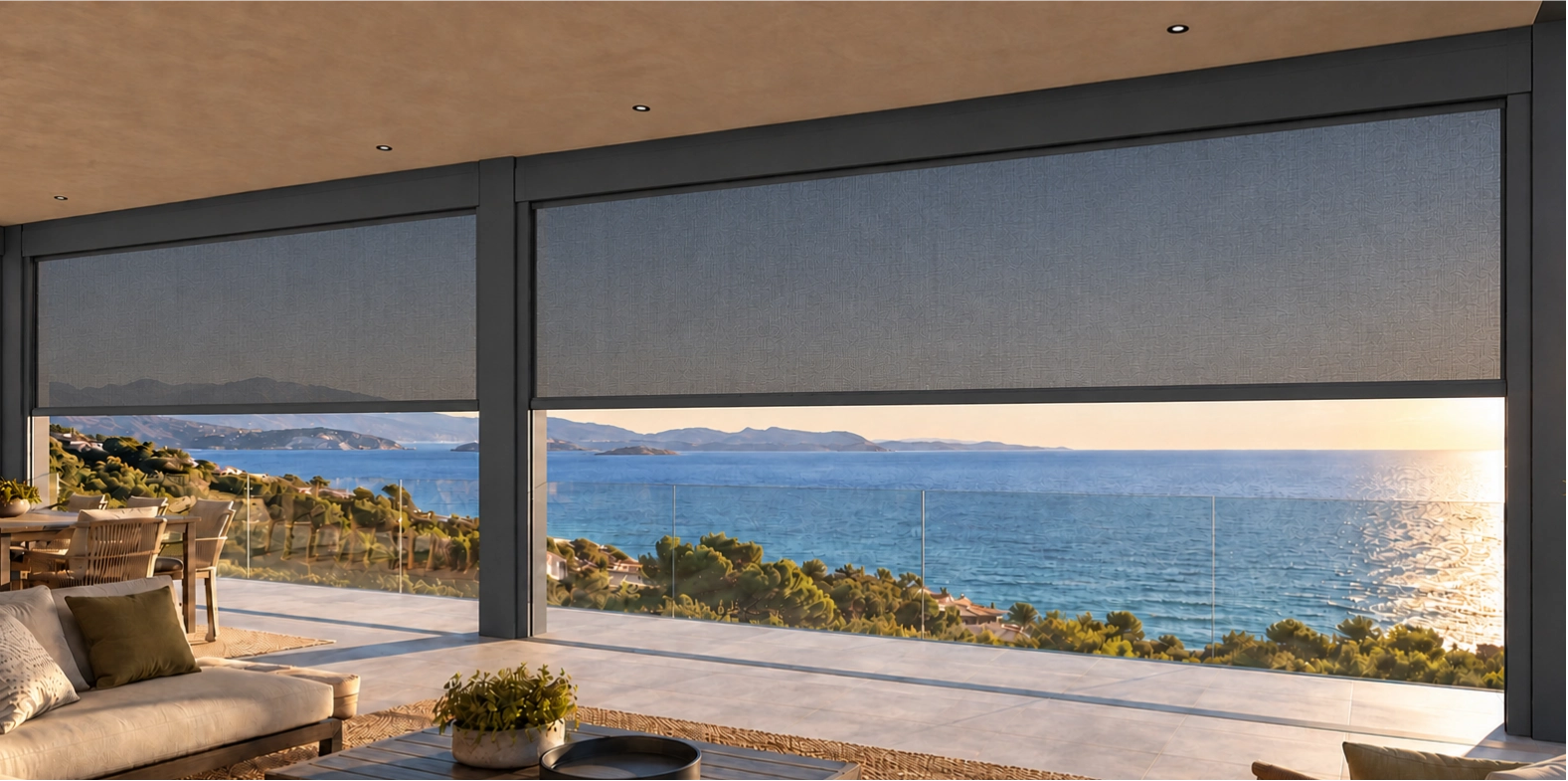
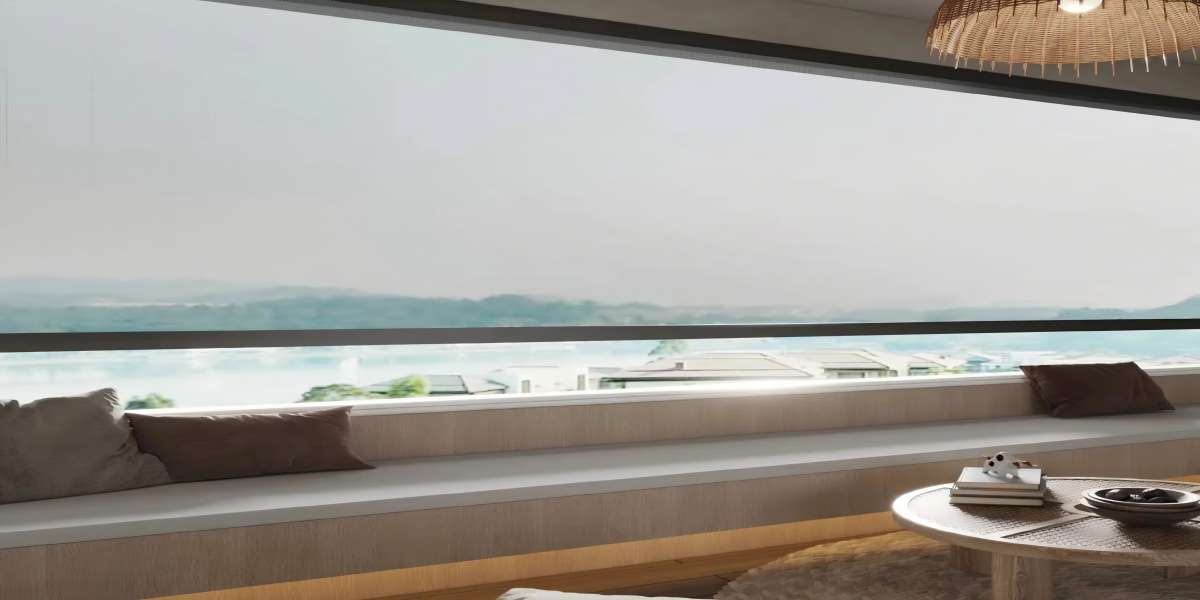
Enclosed balconies are different from normal indoor rooms. They are usually surrounded by glass, so they can easily trap heat. Sunlight passes through the glass and warms the air inside. This creates a greenhouse effect, especially in south-facing or west-facing balcony spaces.
When windows or sliding doors are opened, warm air mixes with indoor air-conditioning airflow or outdoor air. This creates micro-drafts. These small air movements may not feel strong, but they can still cause fabric sway or flapping, especially on tall or narrow blinds.
This is why enclosed balcony blinds often need better fabric guidance than standard indoor blinds. A side-channel system, or a zip-channel option where required, helps keep the fabric aligned inside the channels. It can also reduce light halos and improve the finished appearance of the balcony window area.
For enclosed balconies, the system should stay compact. A slim cassette and narrow side channels are usually more suitable than a heavy outdoor structure. The blind needs to manage sunlight, privacy, heat buildup, and fabric movement while still fitting the interior design.
Compact Cassette Design for Indoor Spaces
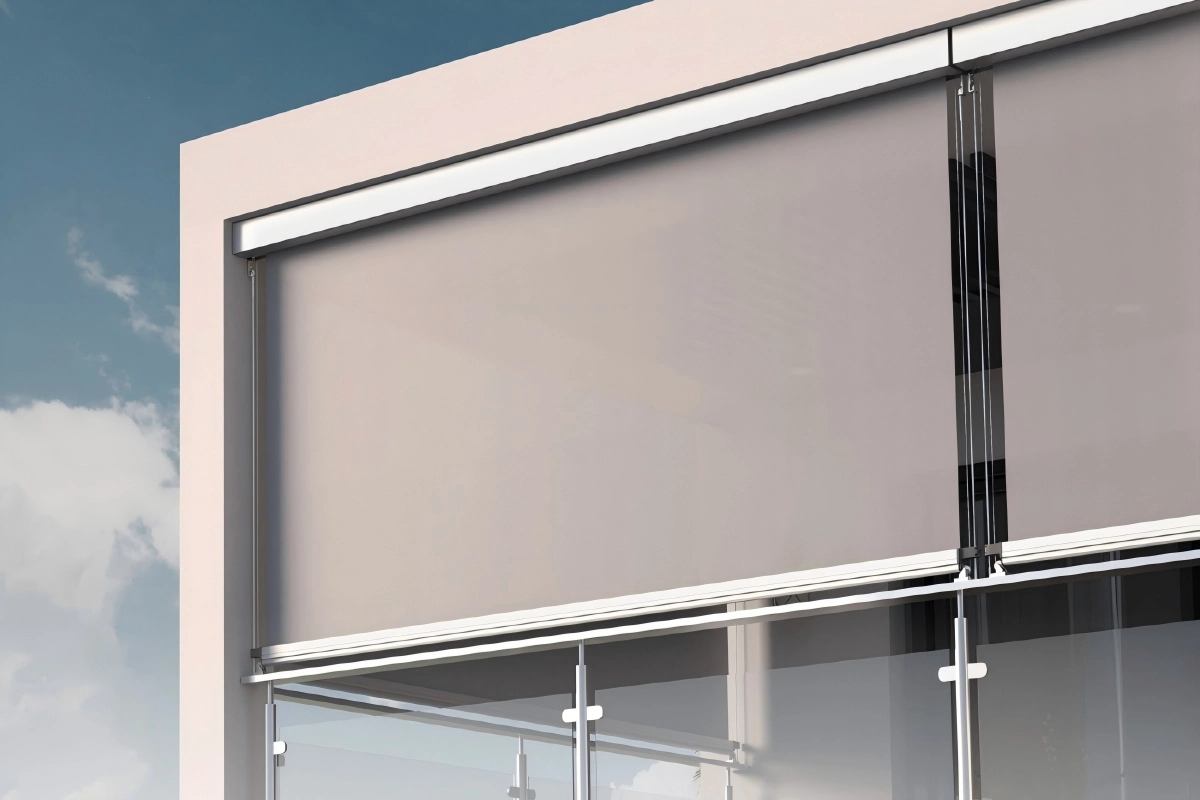
Cassette size is an important part of indoor blind selection. A large cassette may look too heavy above a bedroom window, office window, or enclosed balcony opening. It may also take up too much space and affect the interior layout.
Indoor guided roller blinds should use a compact cassette. The cassette protects the roller tube, fabric, motor, or manual drive parts, but it should not dominate the window area. A good indoor cassette should look clean and blend into the wall, ceiling, or window frame.
The cassette should also match the fabric thickness and roll diameter. Thicker fabrics, especially blackout fabrics, create a larger roll when fully raised. If the cassette does not have enough internal space, the fabric may roll unevenly or rub against internal parts.
For indoor applications, the cassette, fabric, roller tube, and side channels should be considered together. A compact system should not only look neat. It should also allow the fabric to roll smoothly and operate reliably over time.
Side Channels, Zip Channels, and Light Gap Control
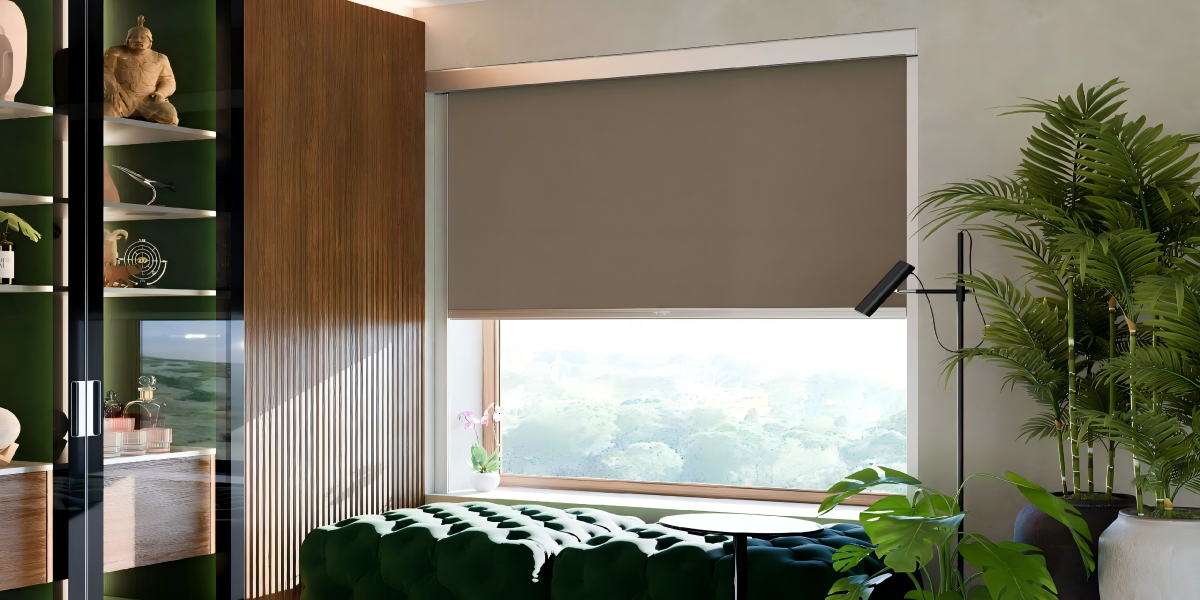
Side channels are the key difference between standard roller blinds and indoor guided roller blinds. In a side-channel system, the fabric edges move inside the channels instead of hanging freely. Some systems may use zip channels or retention strips for stronger fabric control.
This structure helps reduce fabric sway caused by HVAC airflow, open windows, and thermal drafts. It also helps minimize light gaps along the sides of the blind. This is especially important in bedrooms, hotel rooms, media rooms, offices, and enclosed balconies where users care about privacy, glare control, and blackout performance.
For indoor use, side channels should be slim and clean. Oversized channels can make the window look heavy. Poorly aligned channels may cause friction, noise, uneven movement, or fabric wear. The right side-channel design should balance fabric control with a simple interior appearance.
For narrow windows, side channel size matters even more. The system must control the fabric without making the window opening feel smaller or crowded.
Choose Fabric Based on Room Function and System Fit
Fabric should not be selected only by color. It affects privacy, glare control, daylight, heat control, blackout level, roll diameter, and long-term operation.
For bedrooms, hotel rooms, and media rooms, blackout fabric is often preferred. When blackout fabric is used with side channels, zip channels, a suitable cassette, and good bottom sealing, the system can support stronger blackout performance and reduce edge light leaks.
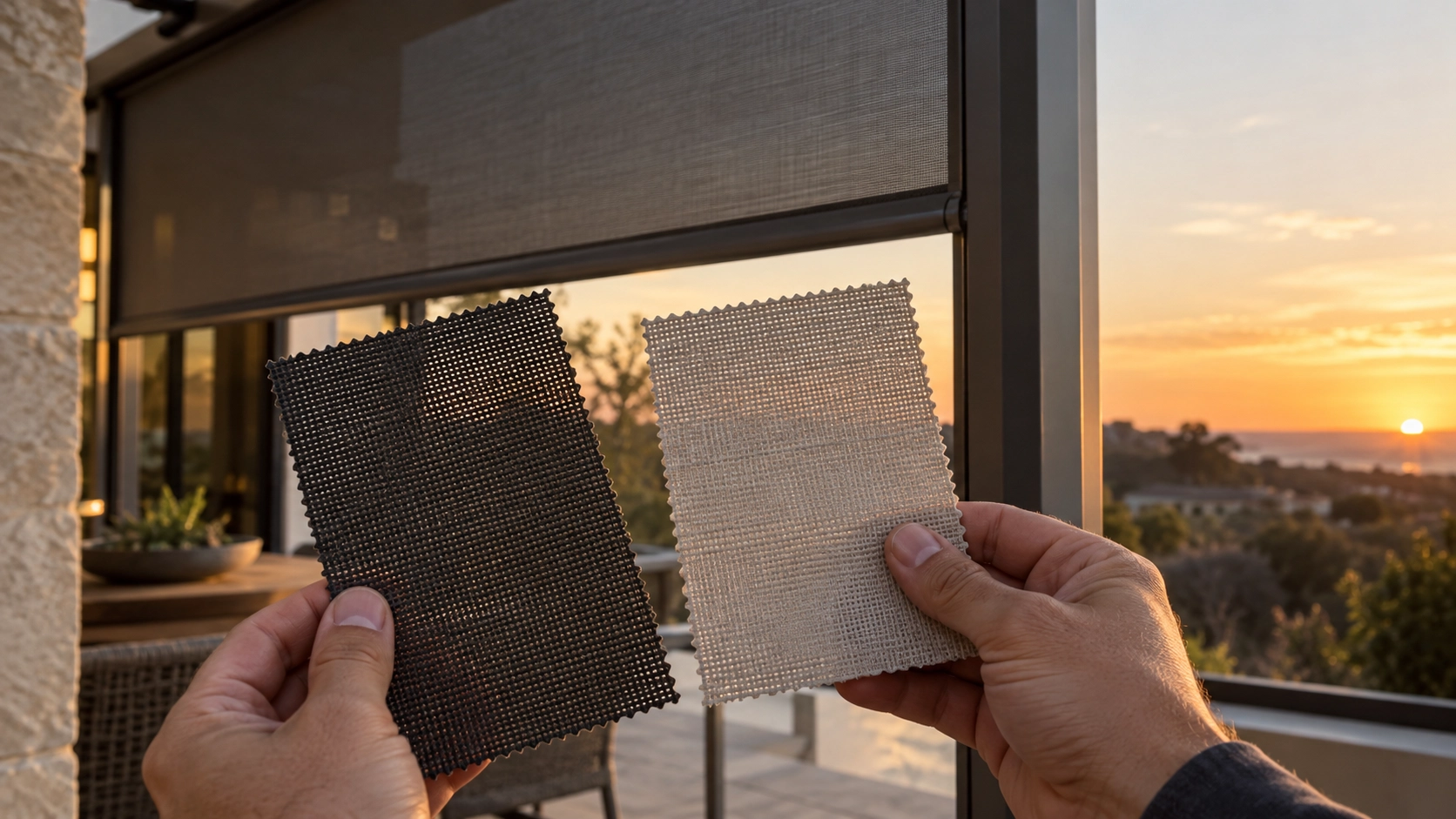
For offices, apartments, and living areas, translucent fabric or screen fabric may be more suitable. Translucent fabric softens daylight and improves privacy while keeping the room bright. Screen fabric helps reduce glare and heat while allowing some outside visibility.
For enclosed balconies, fabric should help control sunlight and heat buildup. If the space receives strong afternoon sun, a lower openness factor can provide stronger shading and privacy. If the user still wants an outside view, a higher openness factor may be better.
In simple terms, blackout fabric is better for stronger light blocking. Translucent fabric is better for soft daylight and privacy. Screen fabric is better for glare control and outward view. A lower openness factor gives stronger shading and privacy, while a higher openness factor allows more view-through and softer daylight.
Fabric thickness also affects system operation. A thicker fabric may need more cassette space and more careful side-channel clearance. If the fabric edge, zipper edge, or retention strip does not move smoothly inside the channel, friction may increase, and operation may become less stable.
This is why fabric, cassette, roller tube, and side channels should be selected as one complete system. The right fabric should match both theroom'sm function and the hardware structure.
Operation Methods for Indoor Guided Roller Blinds
Indoor guided roller blinds can use electric operation, manual chain drive, bead chain mechanism, or a cordless spring-assisted lift system. The best option depends on the window size, power supply, usage frequency, and project requirements.
Electric operation is suitable for hotels, offices, smart homes, high windows, and projects with many blinds. It can support remote control, wall switch, app control, and group control.
A manual chain drive or bead chain mechanism is suitable for smaller windows where simple manual control is enough. This wording is also clear for B2B specifications because it describes the drive method directly.
A cordless spring-assisted lift system is suitable for compact indoor windows where users want manual operation without exposed cords. It creates a cleaner appearance and can be useful for homes, offices, hotels, and enclosed balconies.
For small and narrow windows, the operation method is especially important. Some motorized systems may not fit very narrow widths. In these cases, a manual chain drive, bead chain mechanism, or cordless spring-assisted lift option may be more practical.
Small and Narrow Windows Need Careful Matching
Small and narrow windows are common in apartments, offices, hotels, corridors, bathrooms, and enclosed balconies. These windows need a compact system and careful hardware matching.
A standard cassette may look too large. A motor may not fit if the width is too narrow. The side channels must also be slim enough to avoid making the opening look crowded. In some narrow and taller windows, a heavier bottom rail may help the fabric lower more smoothly.
For this type of project, the final configuration should be based on window width, height, fabric thickness, operation method, cassette size, side channel clearance, and bottom rail matching.
The main goal is to keep the blind compact while still allowing stable fabric movement.
Installation Fit and Finished Appearance
For indoor guided roller blinds, the installation fit directly affects the final appearance and daily operation. The cassette should sit cleanly above the window or inside the opening. The side channels should align with the fabric path so the blind moves smoothly without friction or visible twisting.
In hotels, offices, apartments, and enclosed balconies, the finished appearance is especially important. If many blinds are installed in the same project, small differences in cassette position, side channel alignment, or edge spacing can affect the overall visual result.
For enclosed balconies, wall flatness, glass position, available installation depth, and power location should be checked before production. If the space is narrow or irregular, the supplier should confirm whether a compact cassette, slim side channel, or adjusted installation method is more suitable.
Detailed measuring methods can be handled in a separate technical guide. For this article, the key point is simple: the selected system must fit both the window size and the real installation space.
Common Mistakes to Avoid
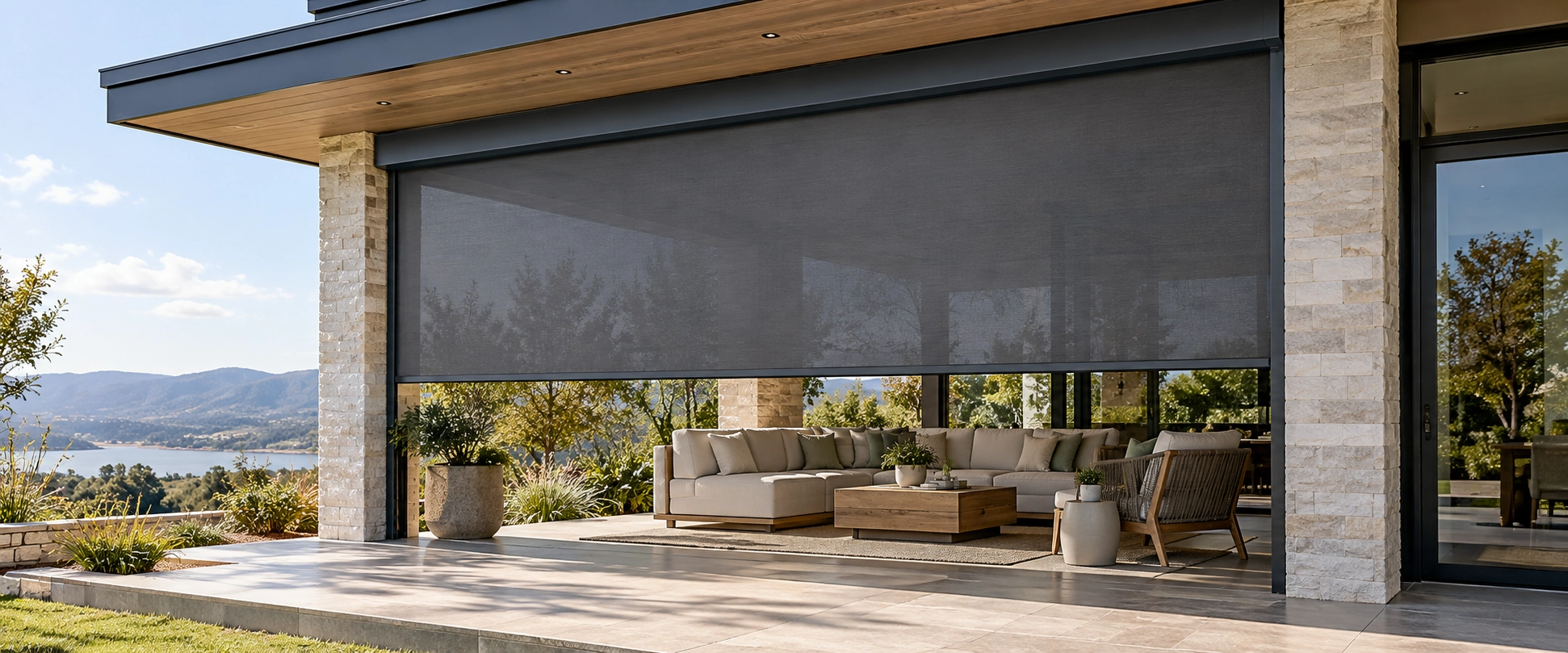
One common mistake is using a heavy outdoor system for every indoor project. This can make the window look bulky and increase unnecessary cost. Indoor spaces usually need compact guided systems, not oversized outdoor structures.
Another mistake is treating blackout as only a fabric issue. For stronger blackout performance, the fabric, cassette, side channels, bottom rail, and installation all need to work together.
Buyers should also avoid selecting fabric only by color. Privacy, glare control, openness factor, blackout performance, roll diameter, and cleaning needs all affect the final result.
Airflow should not be overlooked. HVAC airflow, thermal drafts, open windows, and heat buildup can all cause fabric sway or flapping in enclosed spaces. This is one of the main reasons to choose indoor guided roller blinds instead of standard roller blinds.
Project Information to Prepare
For project selection, prepare the window size, installation photos, fabric requirement, operation method, power condition, and project quantity.
These details help confirm whether a compact side-channel system, zip-channel option, manual chain drive, bead chain mechanism, cordless lift system, or motorized option is more suitable.
The selected system should match the window size, room function, fabric type, installation space, operation method, and expected light control level.
Conclusion
Indoor guided roller blinds, also known as side-channel roller blinds, indoor zip channel systems, or indoor windproof roller blinds, are a practical choice for windows and enclosed balconies that need better fabric control, smoother operation, stronger light gap control, and a cleaner appearance.
For normal indoor windows, the focus is on compact structure, privacy, glare control, and smooth use. For enclosed balconies, the system also needs to handle heat buildup, greenhouse effect, micro-drafts, fabric sway, and flapping.
The right system should match the window size, installation space, fabric type, operation method, cassette size, side channel clearance, and real indoor environment.
Large Outdoor Roller Shades for Wide and Tall Openings
How to Choose Windproof Roller Blinds for Balconies and Patios
Related Article