Core Technology Behind NewHoo ZIP Screen Systems
While standard motorized outdoor screens look identical from a distance, their engineering limits are violently exposed under sudden wind loads, shifting thermal expansion, and repetitive kinetic stress. In the outdoor shading industry, micro-deflections, zipper derailments, and premature motor burnouts account for over 85% of commercial and luxury residential post-installation complaints.
At NewHoo, we design every component from first-principles engineering to achieve three uncompromised metrics: Zero Structural Deflection, Zero Silent Mechanical Failure, and Modular Maintenance.
Below is the definitive analysis of the 15 Core Shading Systems developed by NewHoo to protect your architectural assets, ensure quiet operation, and deliver a zero-maintenance lifetime.
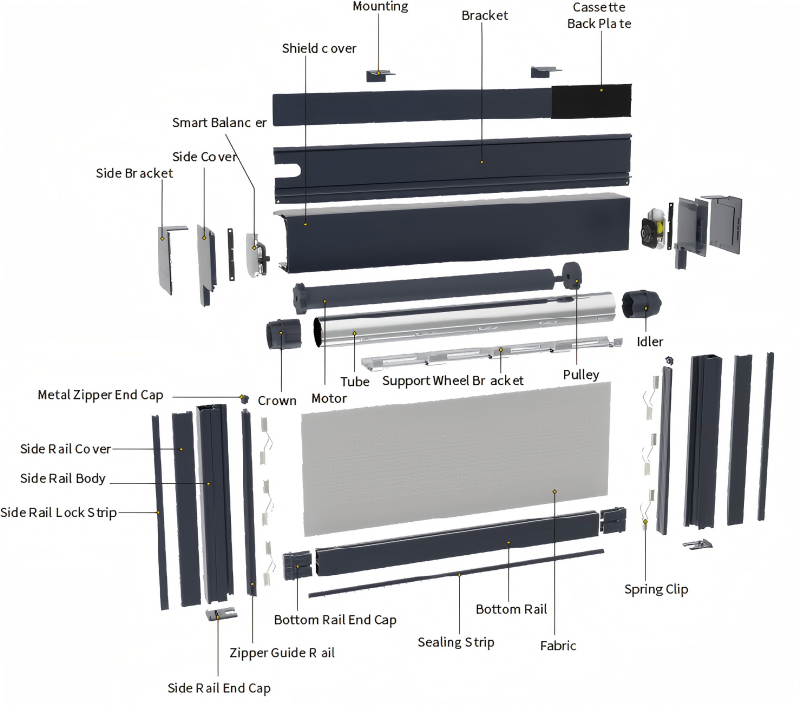
Below is the definitive analysis of the 15 Core Shading Systems developed by NewHoo to protect your architectural assets, ensure quiet operation, and deliver a zero-maintenance lifetime.
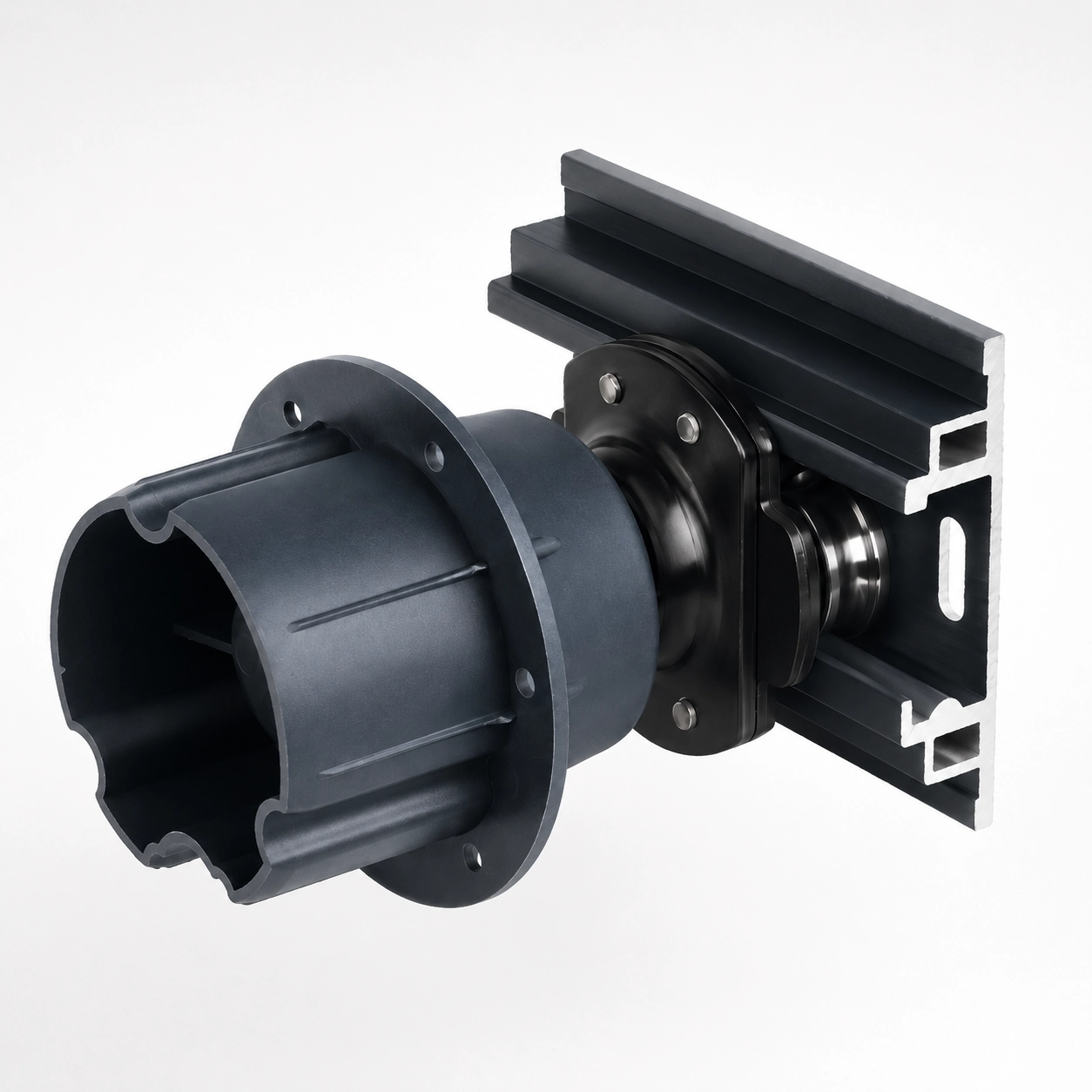
01. Smart Balancer Technology
The Structural Failure Point:
As an outdoor screen rolls up, the fabric layers stack up, causing the overall roll diameter to expand dynamically. In standard systems with rigid, fixed axles, this shifting diameter forces the zipper to enter the side guide rails at an acute, crooked angle. This creates severe horizontal strain—lateral friction—which strips heavy-duty zipper edges, warps fabric tension, and triggers a catastrophic derailment or system jam. This is the #1 cause of post-installation callbacks for track-guided shades.
The NewHoo Engineered Solution:
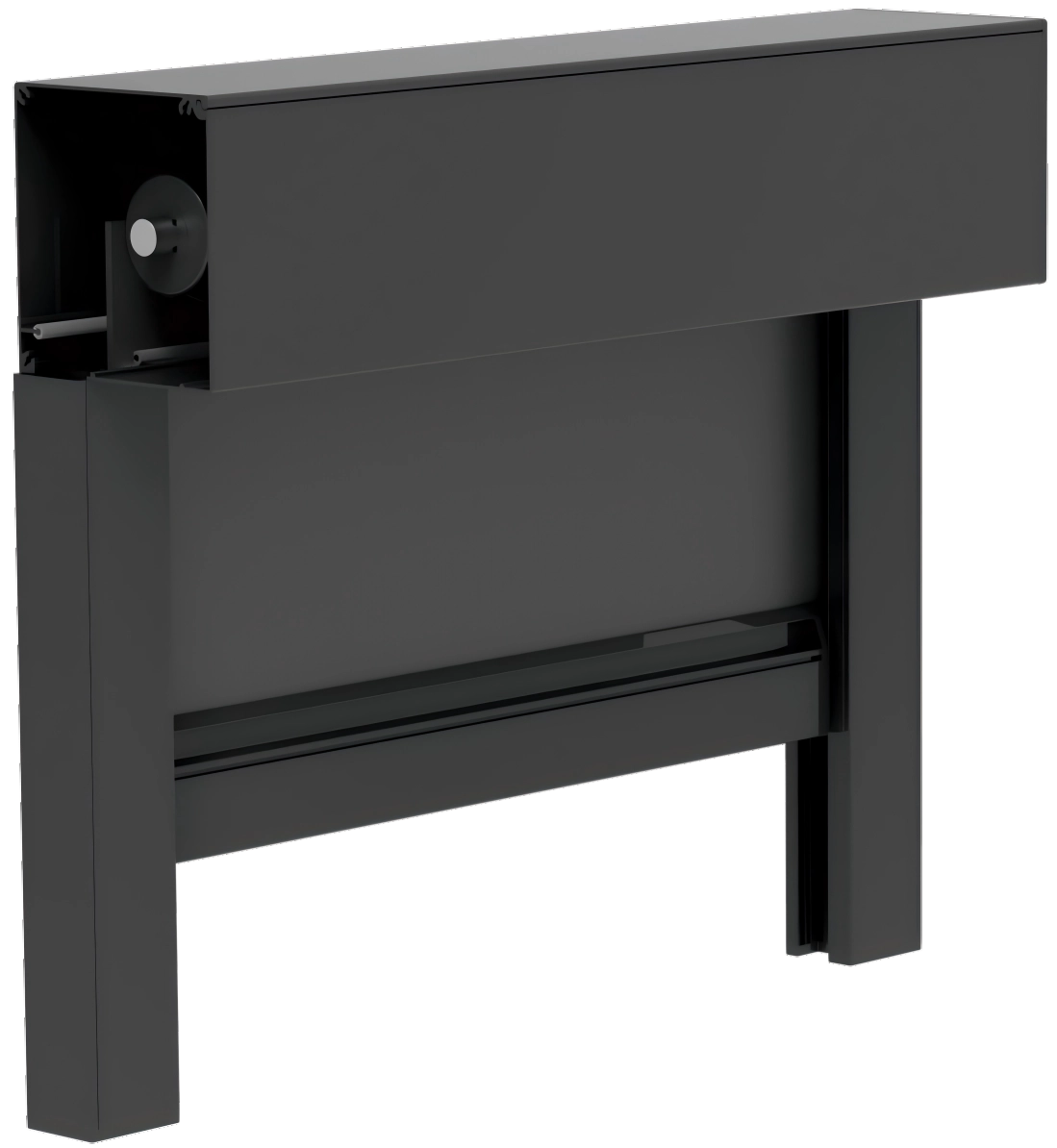
NewHoo integrates a floating mechanical tracking suspension. As the fabric profile swells or shrinks, the Smart Balancer automatically shifts its tracking position via counterweight leverage. This dynamic compensation ensures that regardless of height or roll thickness, the zipper line feeds into the guide rails at a flawless, 100% vertical tangent, eliminating 65% of lateral track friction and doubling the operational life of the entire system.
02. Hollow-Core High-Temperature Zipper Track
The Structural Failure Point:
Direct summer sun can elevate aluminum side track temperatures above 70°C. Standard PVC or cheap rubber zip-inserts absorb this heat, softening rapidly or expanding at a different rate than the aluminum profile. Under sudden high wind cuts, the soft insert yields, allowing the zipper to simply "pop" out of the track.
The NewHoo Engineered Solution:
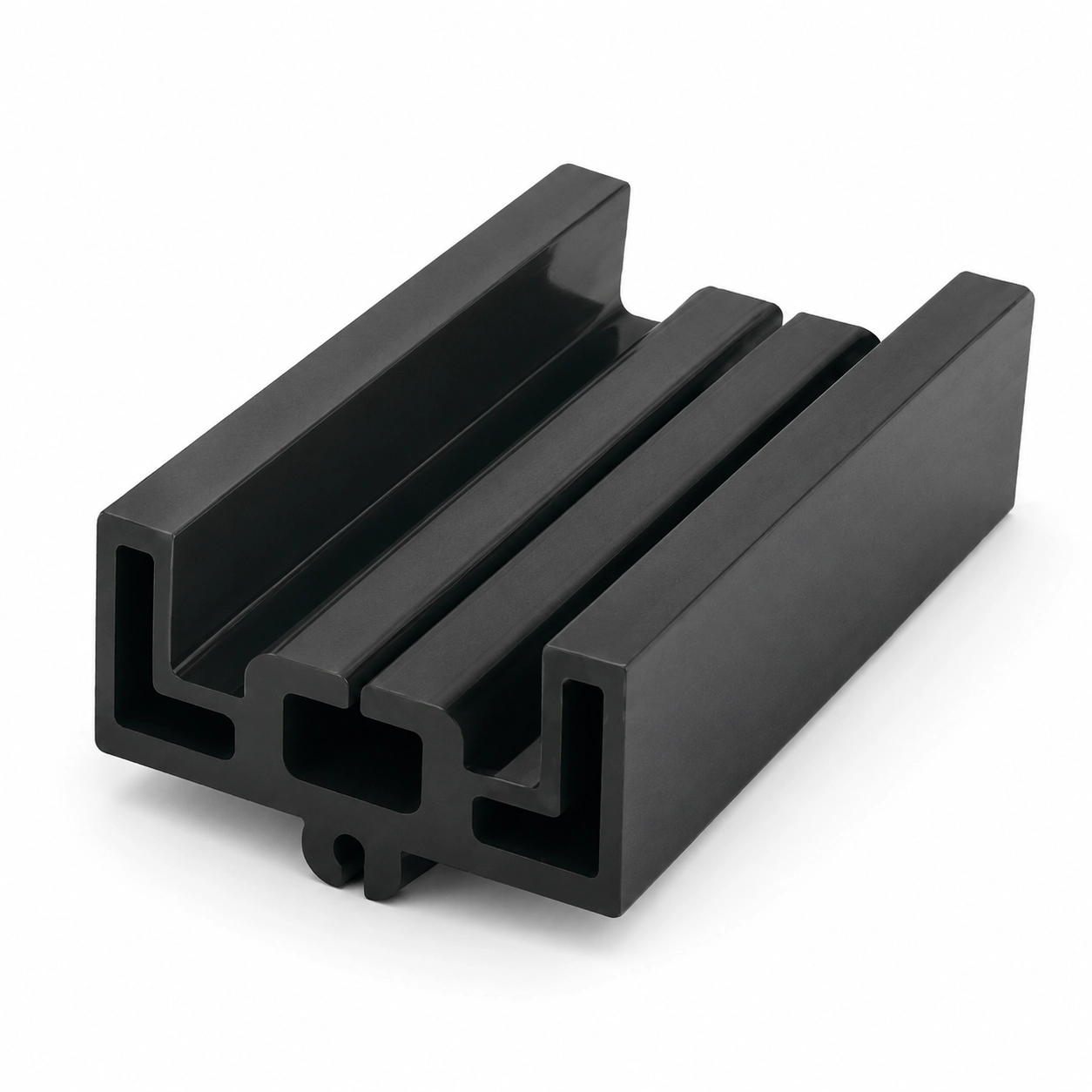
Our side guide rails feature a specialized Hollow-Core multi-cavity structure combined with proprietary high-temperature stabilized polymer liners. The hollow internal channels create an ambient air barrier that dissipates 40% of thermal conduction, maintaining perfect dimensional stability and keeping the zipper tightly locked even during a 70°C heatwave coupled with storm-level wind force.
03. Metal-Capped Zipper Track Entry
The Structural Failure Point:
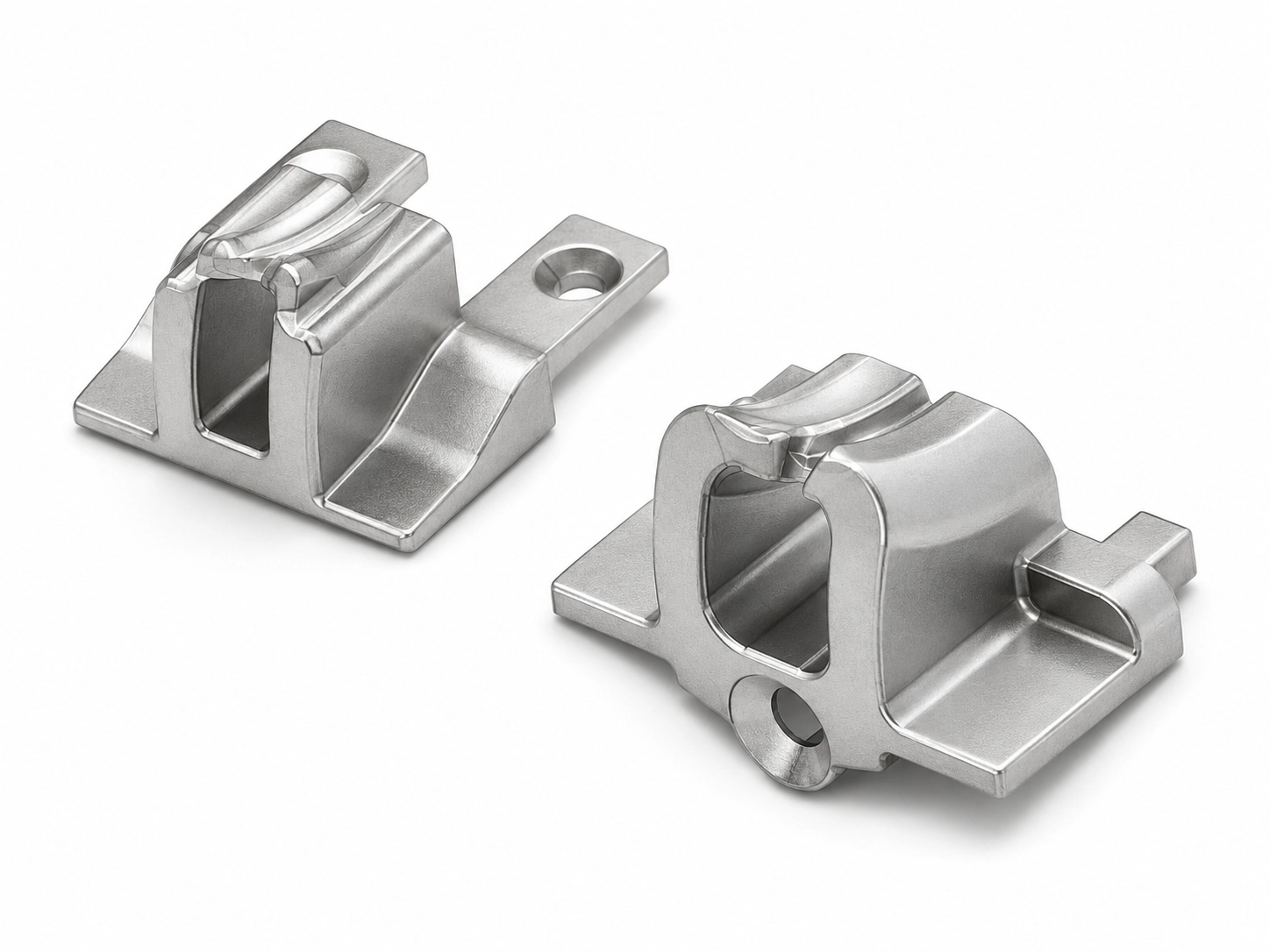
The entry throat—the topmost point where the fabric and zipper transition from the roller tube into the vertical side rail—experiences intense, repetitive friction during every cycle. Conventional plastic entry funnels wear thin or crack within 12 to 18 months, causing the zipper to catch, tear, or jam.
The NewHoo Engineered Solution:
NewHoo replaces plastic entryways with a Heavy-Duty Metal-Capped throat precision cast from solid aluminum or reinforced stainless steel. This zero-wear metal guide handles cross-wind pulling forces without cracking, ensuring smooth fabric entry over 10,000 continuous cycles.
04. Ultra-Thick Double-Layer Tube
The Structural Failure Point:
Over large spans (5 to 6 meters wide), standard light-gauge aluminum roller tubes sag under the combined weight of the heavy architectural fabric and the heavy steel bottom bar. A structural center-sag of as little as 0.5cm creates permanent diagonal "V-shape" wrinkles across the fabric, unevenly distributing tension and eventually jamming the screen inside the box cassette.
The NewHoo Engineered Solution:
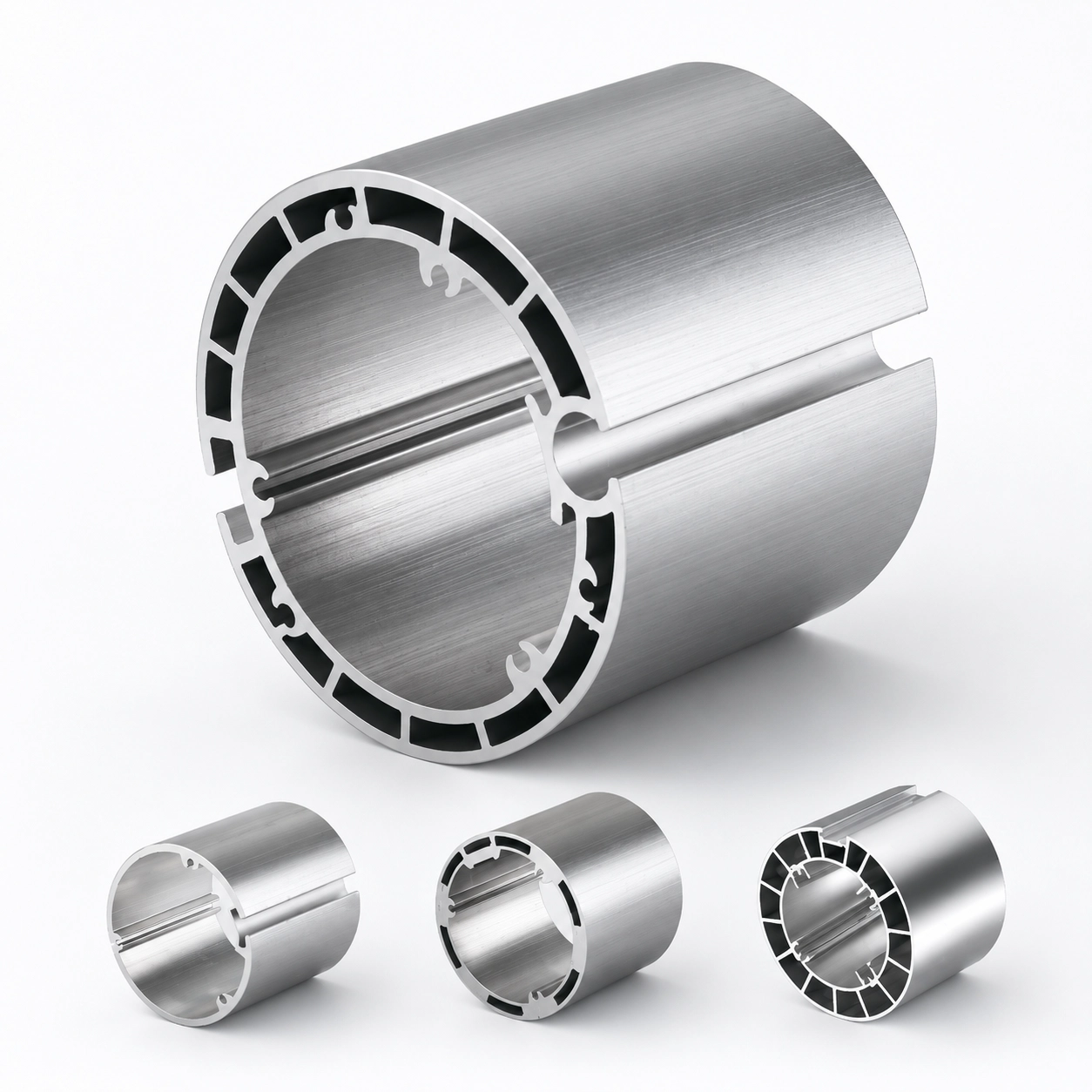
For wide-span configurations, we completely eliminate retail-grade tubes, replacing them with our proprietary Double-Layer Coaxial Tube extruded from marine-grade 6063-T5 aluminum. Featuring internal reinforced structural ribs, this double-wall matrix neutralizes gravity-induced deflection entirely, keeping the fabric perfectly flat, tensioned, and wrinkle-free across spans up to 6.0 meters.
05. Fabric Directional Alignment Technology
The Structural Failure Point:
Due to minute mounting variances or micro-shifts in building walls over time, fabrics naturally tend to track/telescope to one side during operation. Left unchecked, the fabric stacks unevenly on the roll, scraping the casing sidewalls and destroying the zipper bindings.
The NewHoo Engineered Solution:
Our Built-in Fabric Flat & Directional Alignment Tech integrates micro-axial adjustments directly into the roller end-caps. The system continuously counters any tendency to telescope, keeping the fabric winding straight, maintaining micro-level horizontal alignment, and preventing side scrapings on extra-large dimensions.
06.Self-Balancing Spring System
The Structural Failure Point:
In non-motorized, cordless spring-loaded shades, balancing is notoriously uneven. The shade either aggressively flies upward out of a user’s hand or slumps down, failing to stay in position and creating a hazard for children and elderly users.
The NewHoo Engineered Solution:
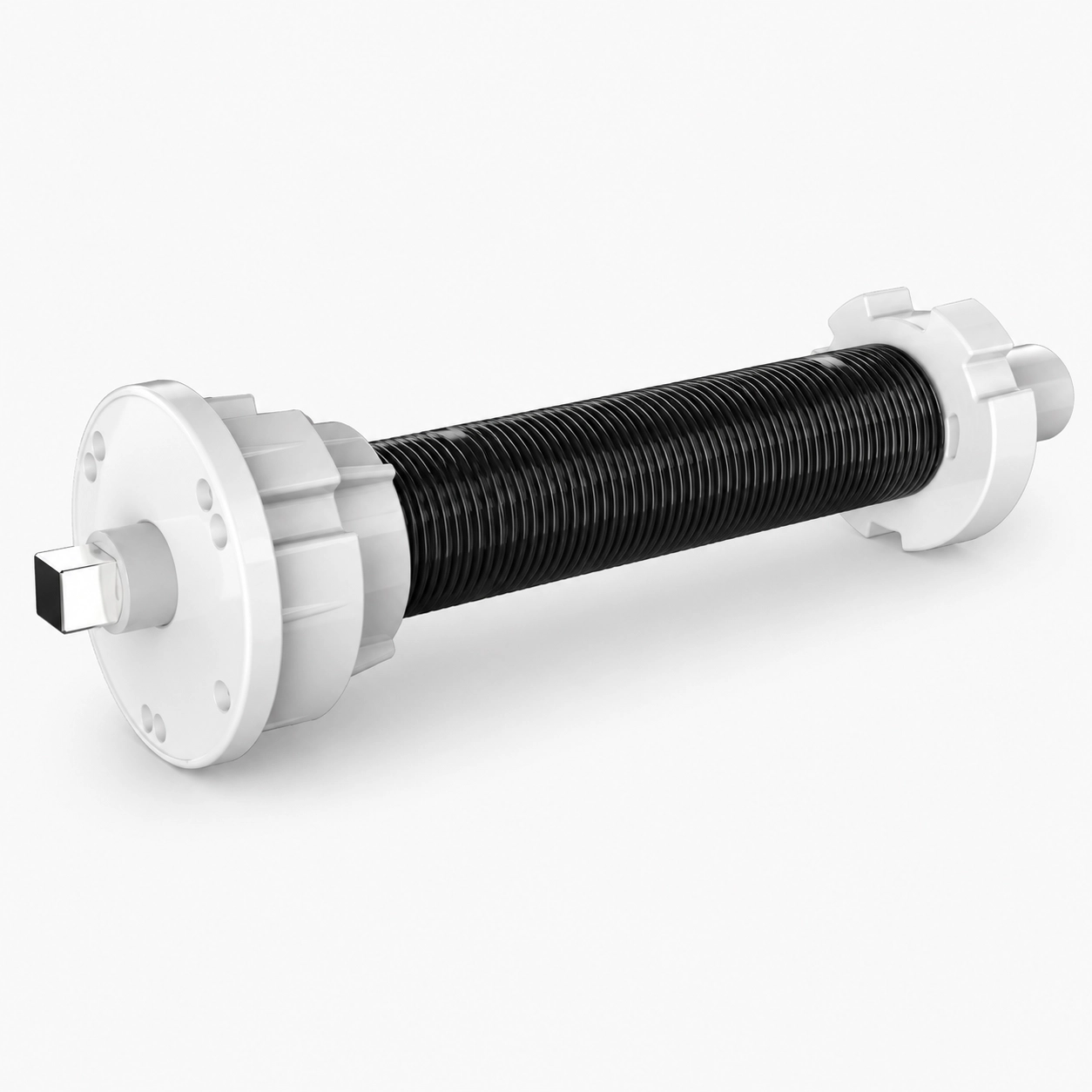
We engineer a Full-Stroke Torque-Adaptive Balance Spring inside the roller. It precisely matches and neutralizes the descending weight curve of the bottom bar at every single millimeter of travel. The user can lift or lower the shade with a single finger—it features a absolute Stop-and-Stay hold at any height with zero drift.
07.Built-in Gravity Bearing Anchor Seats
The Structural Failure Point:
Standard outdoor shades rely on simple fixed plastic or metal bushings that rotate raw axle pins. This high-friction configuration strains the motor, robs it of output torque, accelerates drivetrain wear, and generates an annoying metallic grinding noise.
The NewHoo Engineered Solution:
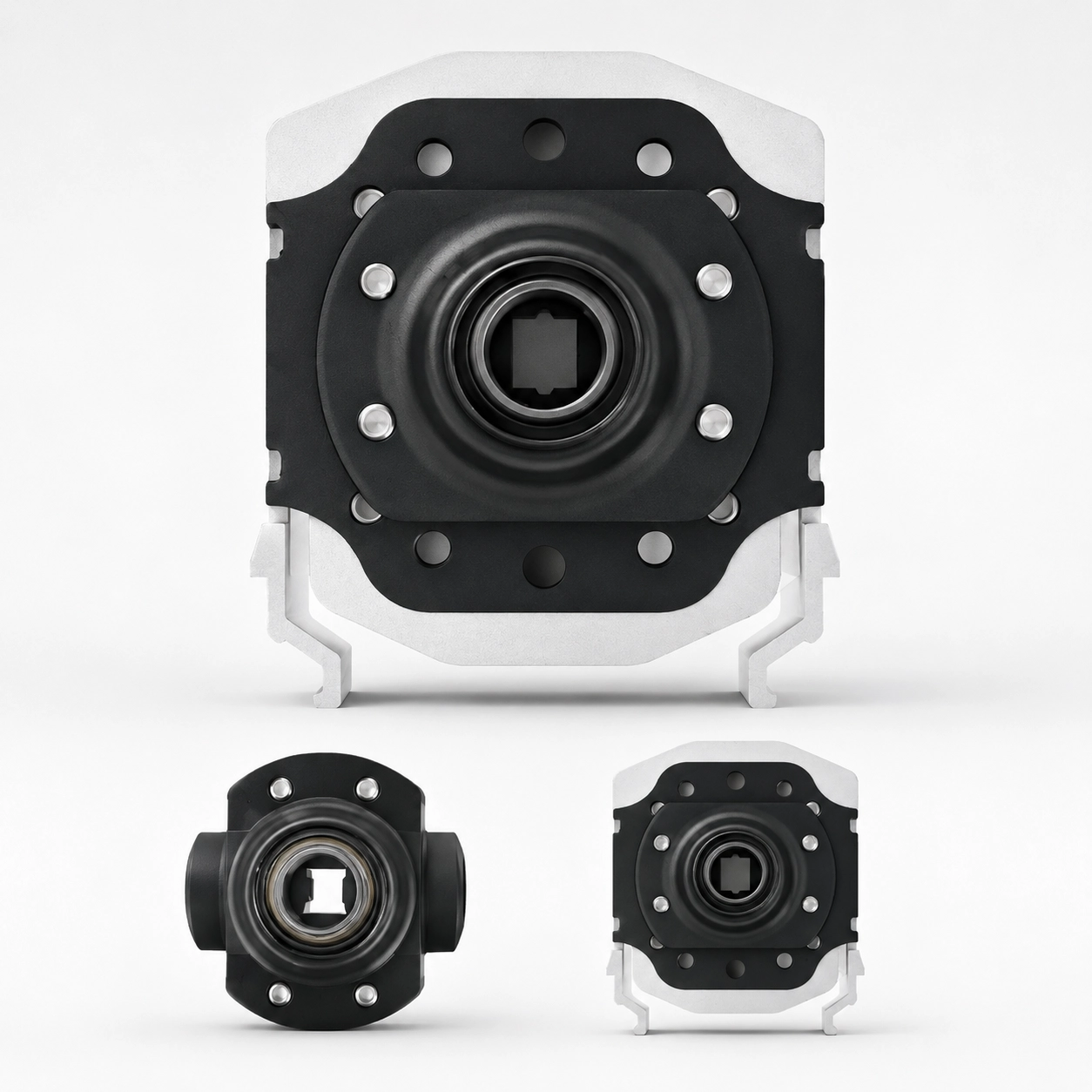
NewHoo utilizes heavy-duty, double-sealed steel gravity ball bearings integrated directly into the structural mounting plates. By slashing mechanical rotation resistance by 80%, the motor runs smoothly and completely silent, allowing the screen to float effortlessly while significantly extending the operational lifespan of the electronics.
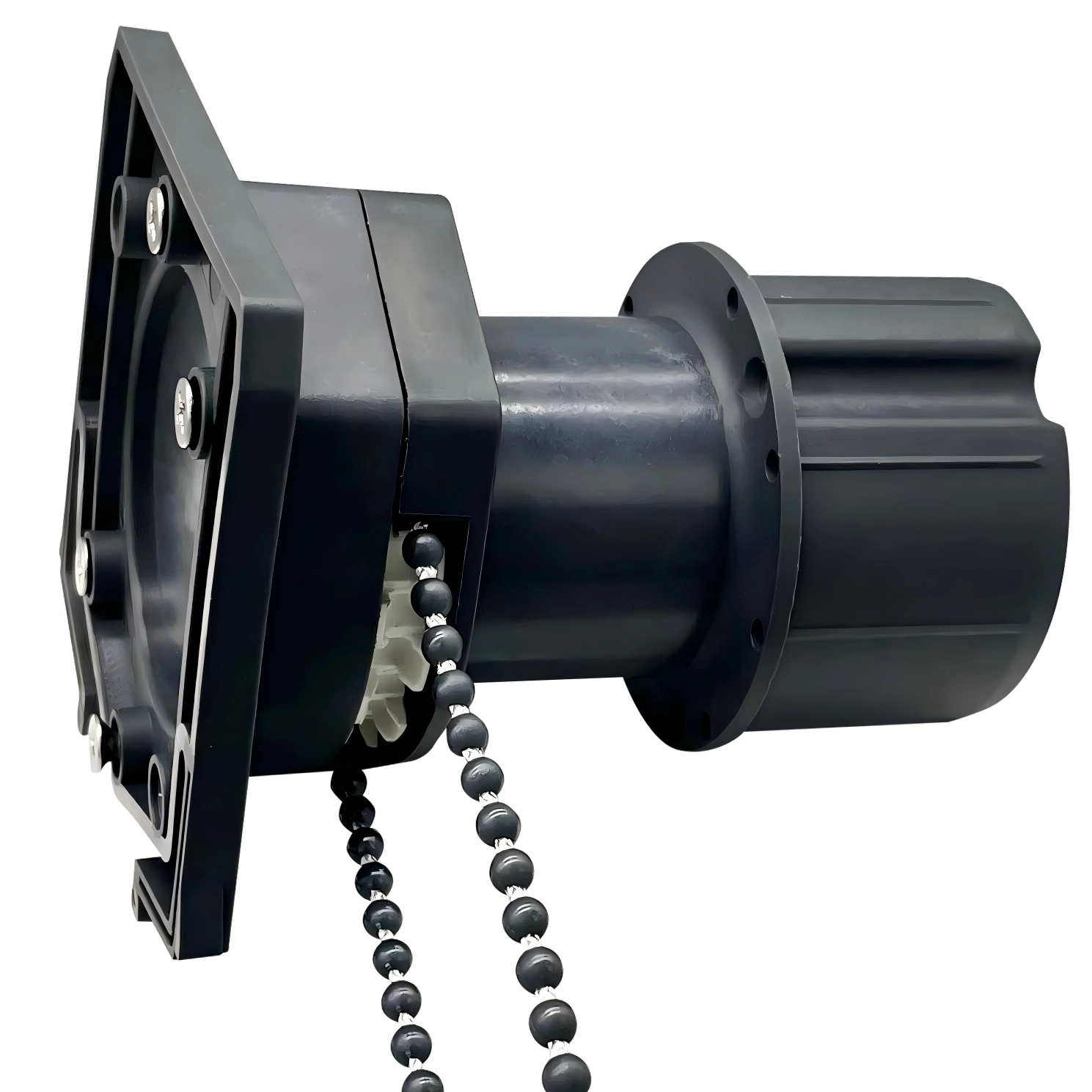
08. Heavy-Duty Bead-Chain Drive System
The Structural Failure Point:
Manual chain-driven outdoor shades covering large patios become incredibly heavy to pull. Forcing the plastic bead chain results in snapped loops, stripped gear teeth, and repetitive mechanical locking.
The NewHoo Engineered Solution:
For mid-to-large non-motorized applications, NewHoo deploys a high-gear-ratio reduction drive built from hardened steel gear components. This heavy-duty manual drive system reduces the user's required lifting effort by 60%, turning what would be a heavy physical strain into a light, smooth rotation that prevents chain snap even on massive 15㎡ screens.
09. Magnetic Attachment Crank Handle
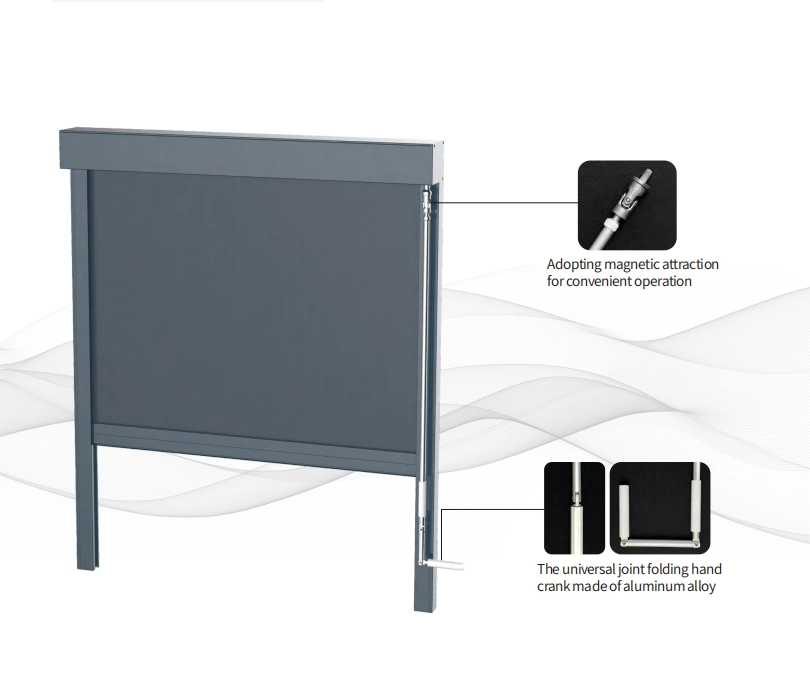
The Structural Failure Point:
Removable manual crank rods hang loosely from universal joints. When the wind picks up, they swing uncontrollably, slamming against building walls, scratching expensive finishes, and posing a trip hazard.
The NewHoo Engineered Solution:
NewHoo features a Magnetic Attachment system. When not in active use, the low-profile crank joint is captured by high-gauss rare-earth magnets integrated into the casing profile. It snaps tightly against the structure, remaining entirely stationary in heavy winds and preserving a clean, architectural finish.
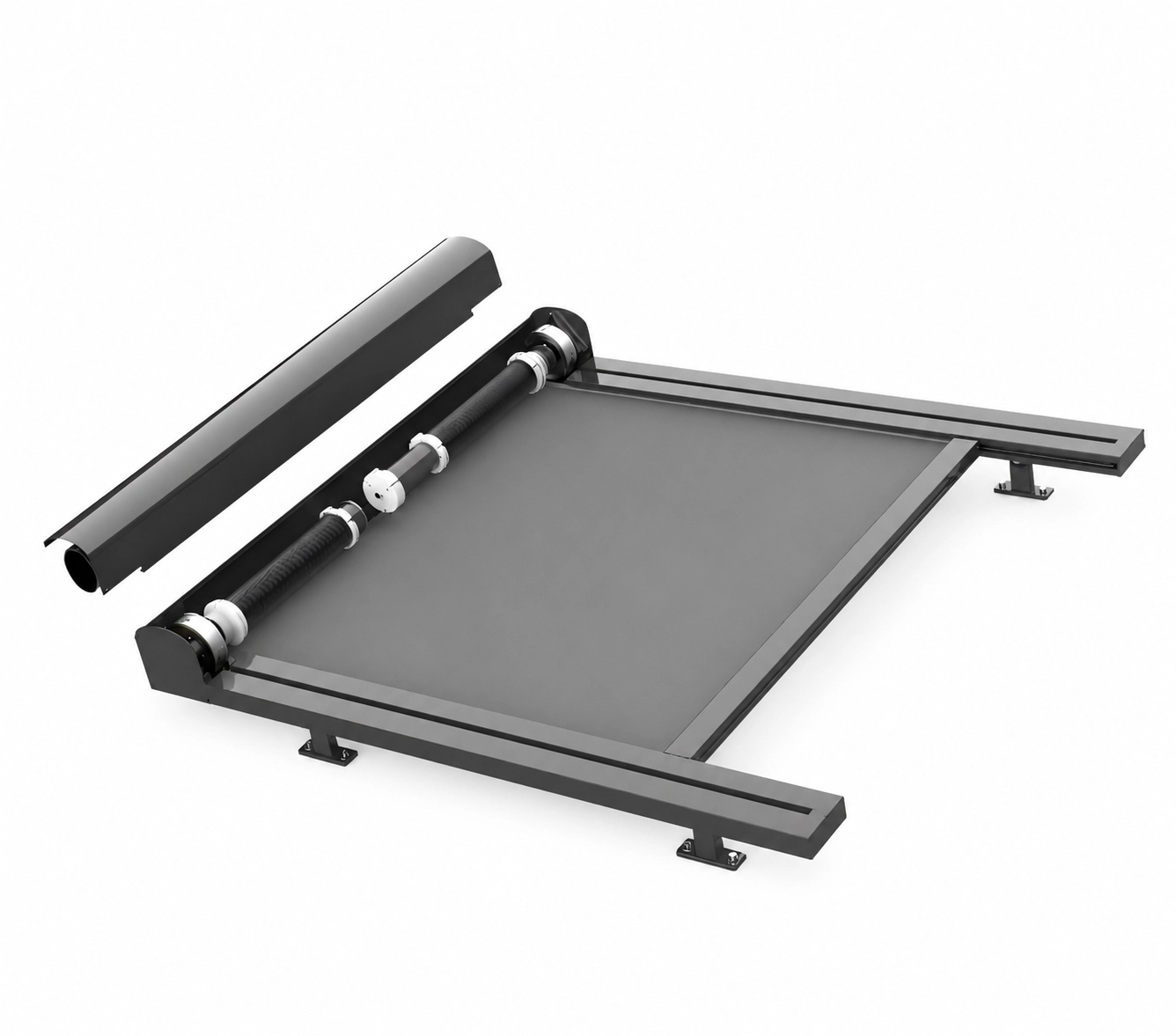
10. FGS Dual-Spring Tensioning System
The Structural Failure Point:
Horizontal conservatory/sky-roof awnings suffer from severe mid-span fabric sagging when fully deployed. Wind catches the loose fabric pouch, creating an aerodynamic lifting force that tears the tracking blocks right out of the ceiling tracks.
The NewHoo Engineered Solution:
Our FGS (Fluid Gravity Shading) Dual-Spring Network employs synchronized counter-tensioning springs that act along the full length of travel (from 0% to 100% open). It applies a continuous, opposing tension across the fabric plane, keeping the textile flat like a drum skin, preventing sag, and allowing water to drain off seamlessly.
11. Slide-Out Motor Core Technology
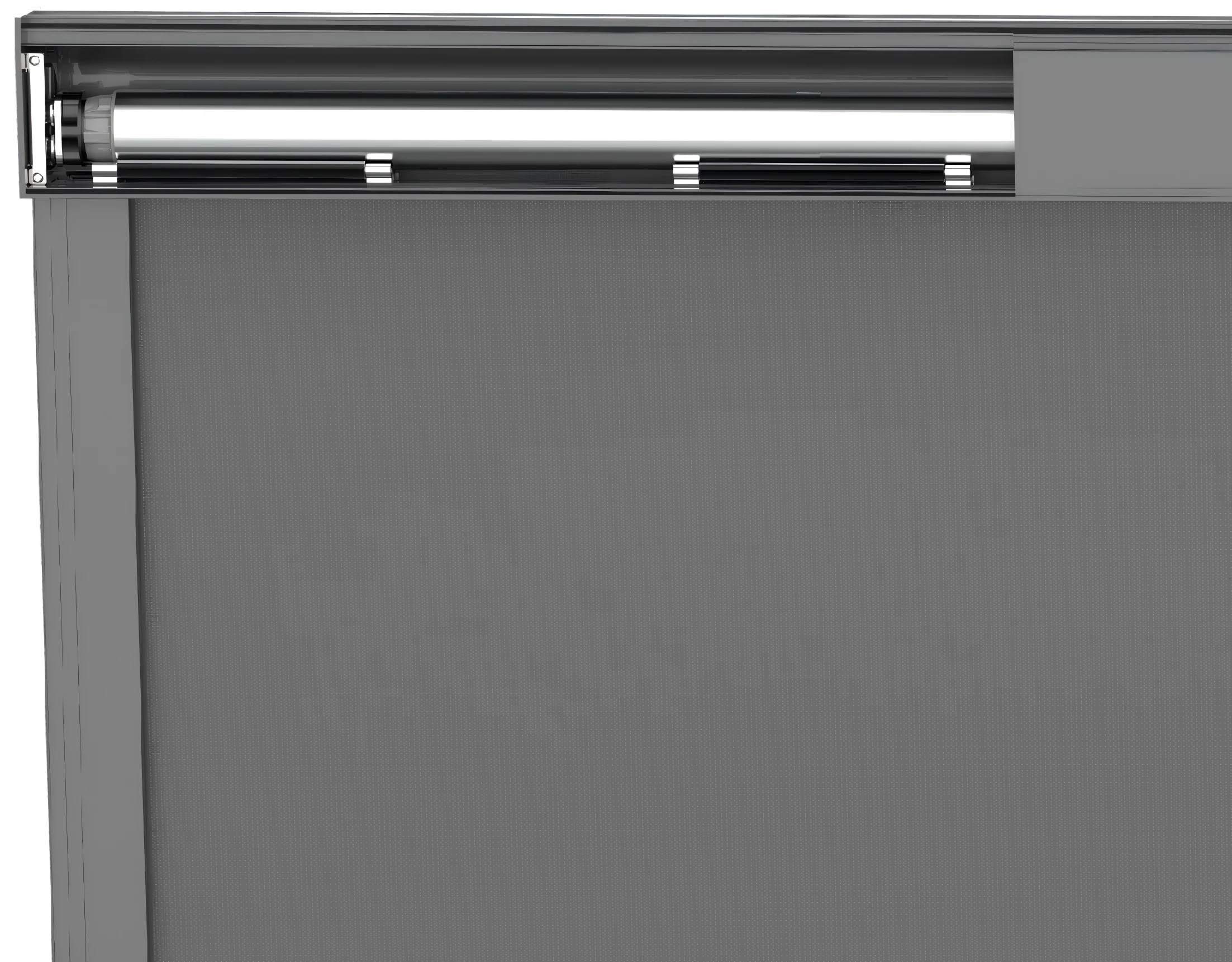
The Structural Failure Point:
Outdoor motors face grueling electrical storms and voltage spikes. In traditional zip track designs, changing or servicing a motor requires full structural disassembly: unbolting the side tracks, taking down the heavy box cassette, and dropping the fabric roll. This requires 2 to 3 technicians, scaffolding, and massive post-sale labor fees.
The NewHoo Engineered Solution:
NewHoo implements an advanced Split-End Cap Architecture. The electronic drive core is modularized independently from the fabric roll and frame hangers. By popping off the quick-release side plate and disengaging a retention clip, a single technician can slide the motor straight out horizontally from the side in under 15 minutes without disturbing the fabric or unmounting the tracks, slashing maintenance labor costs by 80%.
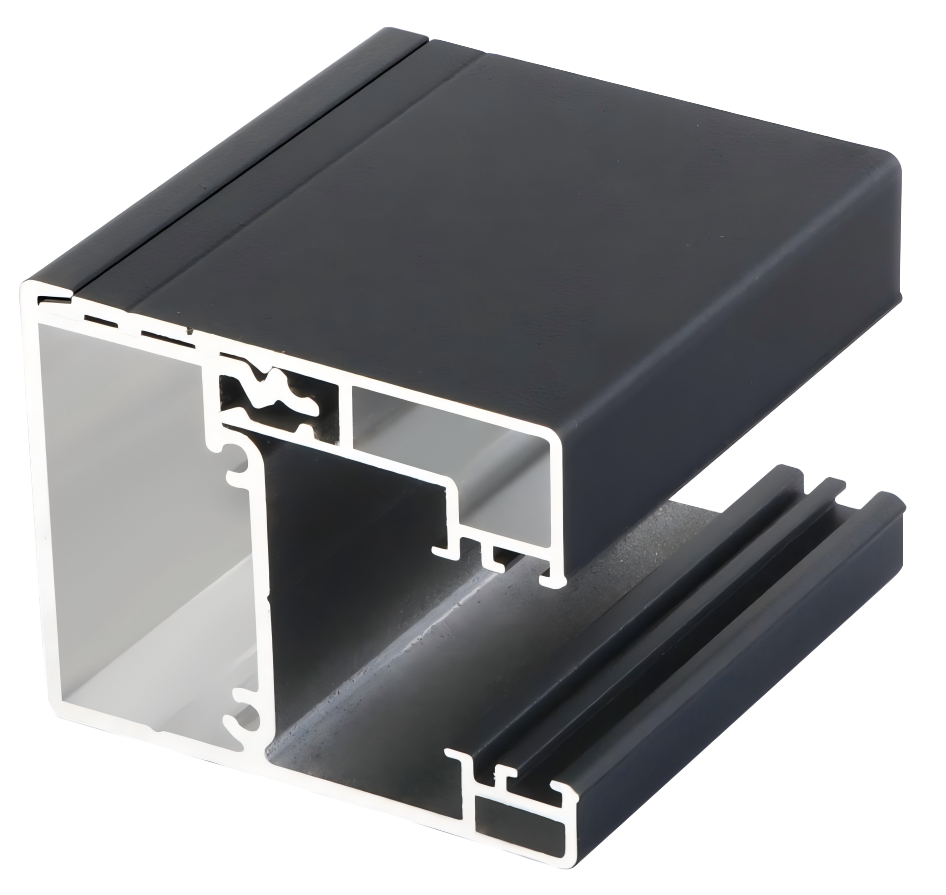
12. Screwless Clip-On Side Rails
The Structural Failure Point:
Standard zip tracks require a line of exposed screws drilled right through the face of the guide rail. This leaves ugly screw heads visible every 40cm, collects dirt, and makes opening the track to clean out wind-blown sand or debris a lengthy process of dealing with rusted fasteners.
The NewHoo Engineered Solution:
We engineered a Screwless Clip-On face-matching rail. The structural base rail is mounted cleanly, and the aesthetic front cover snap-locks into place over it using high-elasticity physical tension clips. This delivers a 100% fastener-free, flush finish, while allowing maintenance crews to pop open the rail instantly with a single wedge tool for swift cleaning.
14. Heavy-Duty Aviation-Grade Cast Aluminum End Caps
The Structural Failure Point:
To save manufacturing costs, retail suppliers use structural plastic end-caps or thin stamped steel plates to hold the heavy roller system. Exposure to high UV levels embrittles plastic, and high wind shear forces can snap these plates completely, causing the entire roller assembly to fall.
The NewHoo Engineered Solution:
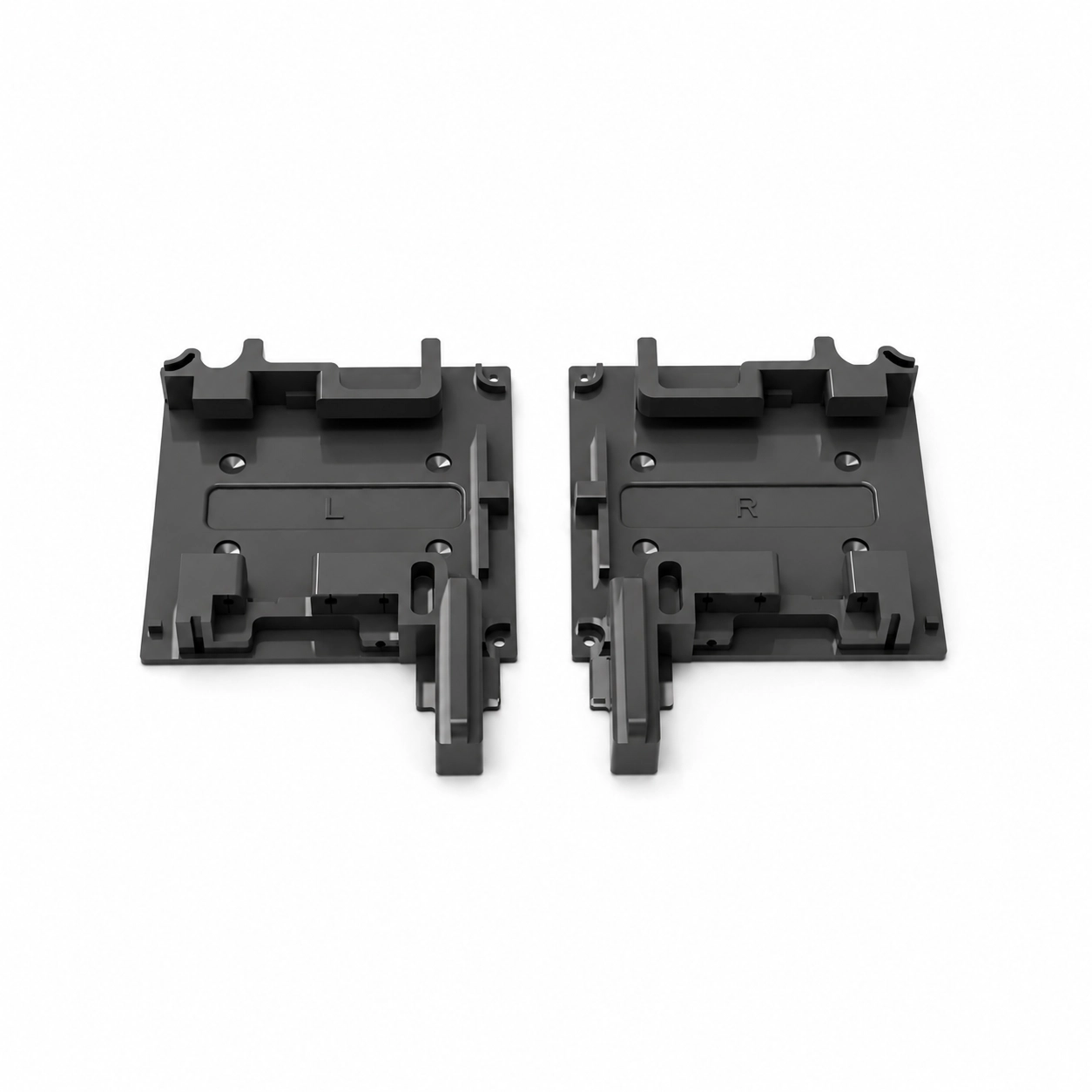
Our load-bearing structural brackets are high-pressure cast using premium aviation-grade aluminum alloys. Engineered with substantial wall thicknesses and zero air voids, these end caps withstand extreme shear force and sudden typhoons up to Category 12 without cracking, achieving full architectural safety ratings.
15. FEA-Tested Premium Architectural Fabrics
The Structural Failure Point:
Low-grade mesh or outdoor textiles stretch out of shape, fade rapidly under harsh UV light, or retain moisture, causing toxic black mold and mildew to break down the fibers and release foul odors.
The NewHoo Engineered Solution:
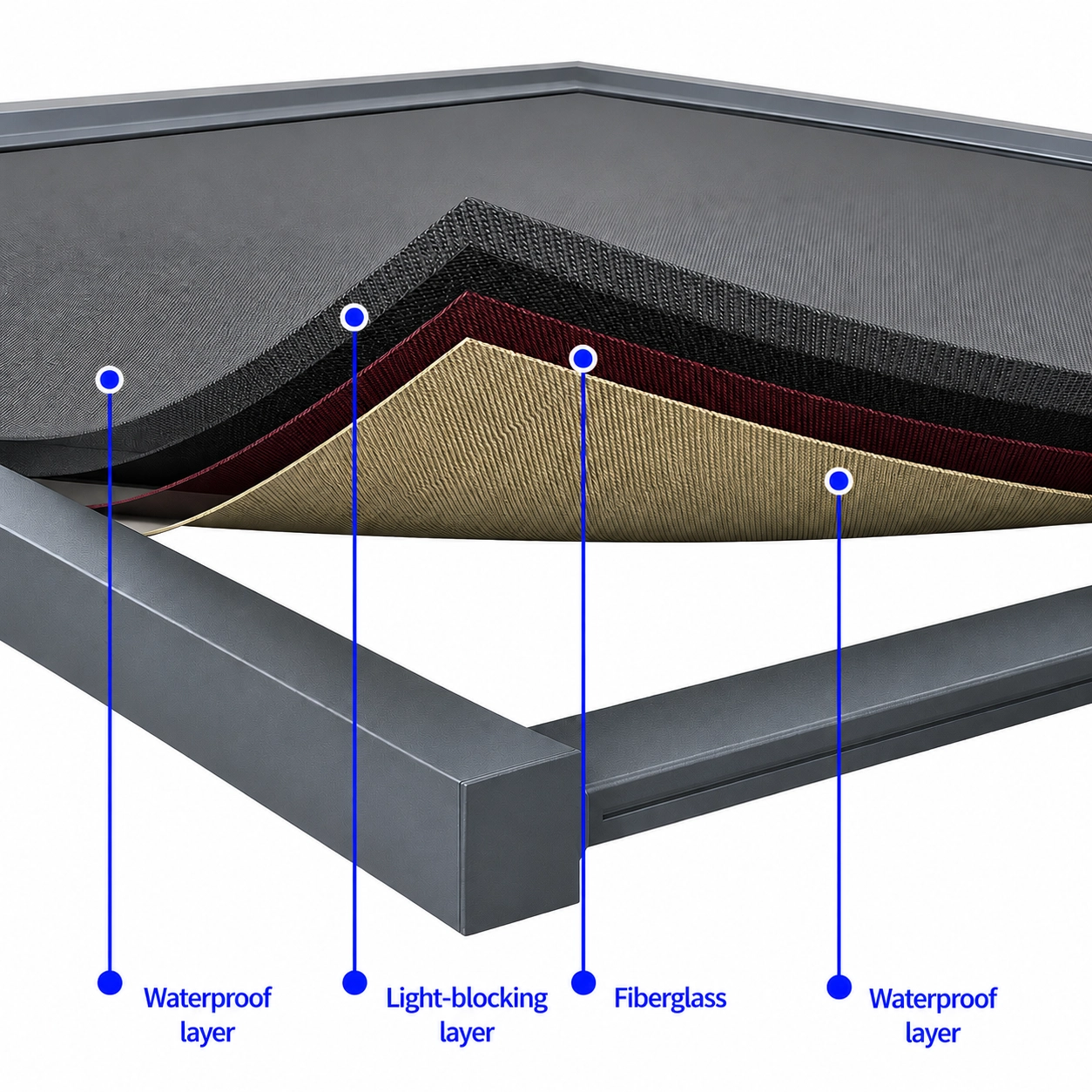
We exclusively specify Solution-Dyed Acrylic fibers and specialized composite marine-grade mesh fabrics. Every yarn is saturated with color pigment before extrusion, securing a certified Grade 8 UV color fastness rating. The entire surface is treated with an advanced fluoropolymer Teflon DWR barrier, making the fabric highly resistant to acid rain and mildew—soiling simply washes clean with plain water, maintaining a color shift of $\Delta E < 1$ over a decade.
15.Multiple Operation Systems for Different Project Conditions
Different projects require different operation systems. Some outdoor blinds are installed where power is available. Some are used in small or medium openings without wiring. Some require precise manual control, while others need easier operation for heavier fabric systems.
NewHoo provides motorized, spring hand-push, bead chain, and manual crank operation systems. These options allow dealers, contractors, and project owners to choose the right control method based on opening size, power supply, installation environment, and user habits.
For manual operation, NewHoo’s self-balancing spring system helps the blind stop at the desired position, while the heavy-duty bead chain structure uses a reduction mechanism to make operation easier for larger blinds.
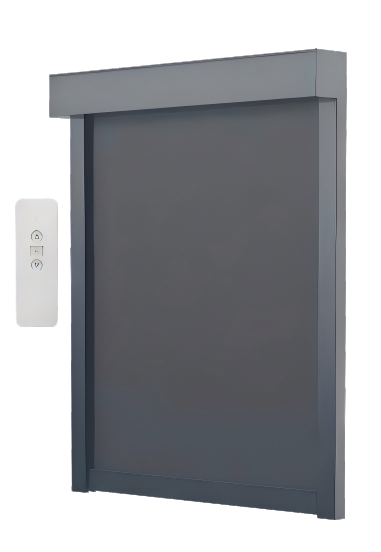
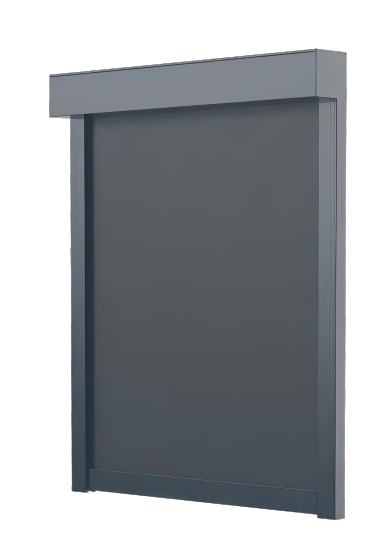
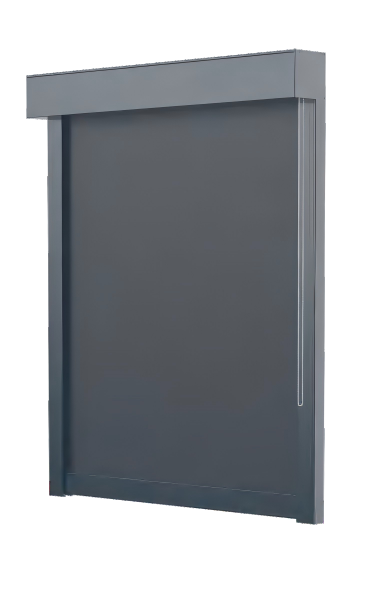
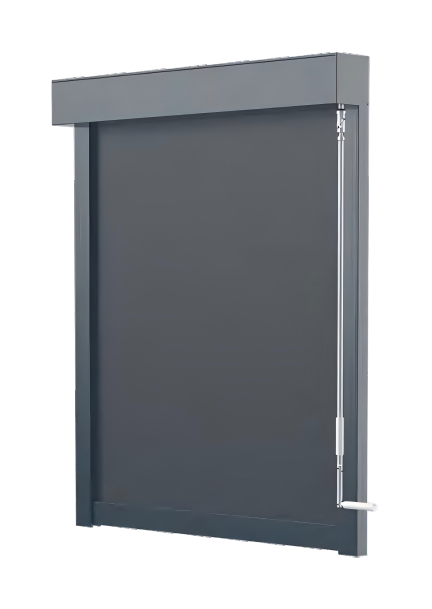
Motorized System
Projects with power supply
Spring Hand-Push System
No-power applications
Bead Chain System
Small to medium openings
Manual Crank System
Precise manual control
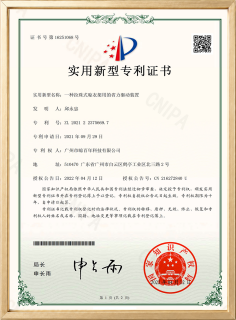
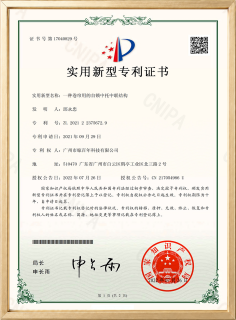
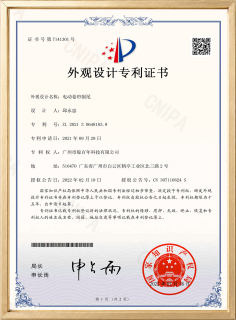
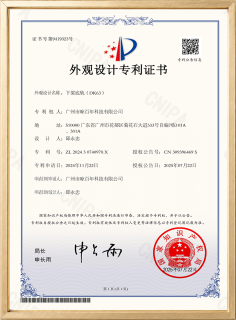
Architectural & Engineering Compliance Backing